Effective Dog Training Tips for a Well-Behaved Pup
Welcoming a new puppy into your family can be an exciting experience. However, it requires patience, consistency, and positive reinforcement to raise a well-behaved pup. Dog training is an essential part of this process, helping to establish a strong bond between you and your pet.
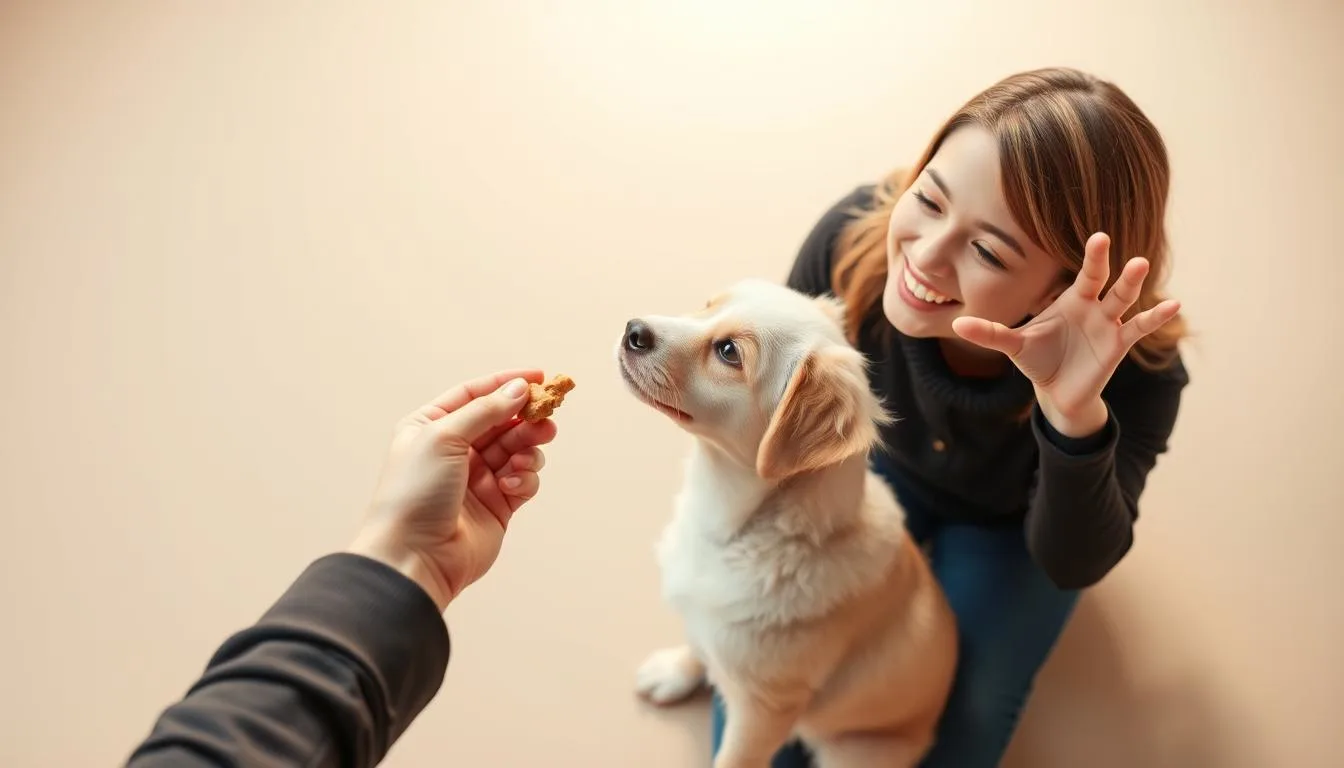
Dog training
With the right petsmart dog training tips, you can help your puppy grow into a well-adjusted and obedient companion. This article will provide you with effective strategies and techniques to make the training process smoother and more enjoyable.
Key Takeaways
- Understand the importance of early puppy training
- Learn effective dog training techniques
- Discover how to create a positive training environment
- Find out how to overcome common training challenges
- Develop a strong bond with your pet through consistent training
Understanding the Importance of Dog Training
The significance of dog training extends beyond obedience, influencing the overall well-being of both dogs and their owners. D therapy dog training is not just about teaching commands; it's about building a lifelong bond between you and your pet.
Benefits for Both Dogs and Owners
Dog training training collars offers numerous benefits for both dogs and their owners. For dogs, training provides mental stimulation, reduces stress, and helps prevent behavioral problems. For owners, training strengthens the bond with their pet, improves communication, and enhances the overall quality of the relationship.
- Mental Stimulation: Training activities challenge dogs mentally, reducing boredom and related issues.
- Improved Behavior: Training helps in curbing unwanted behaviors, leading to a more harmonious household.
- Enhanced Bonding: The training process fosters a deeper connection between dog and owner.
Setting Realistic Expectations
Setting realistic expectations is crucial when training a dog. Understanding that training is a gradual process helps owners stay patient and committed. It's essential to recognize that every dog learns at their own pace.
By acknowledging the individual learning pace of your dog and being consistent with positive reinforcement techniques, you can achieve significant progress in their training.
Basic Principles of Effective Dog Training
The foundation of successful dog training lies in understanding and applying key training principles. Effective dog training is not just about teaching your dog to obey commands; it's about building a strong, positive relationship between you and your pet.
Positive Reinforcement vs. Punishment
One of the core principles of effective dog training is the use of positive reinforcement. This training method focuses on rewarding desired behaviors rather than punishing undesired ones. Positive reinforcement encourages good behavior and strengthens the bond between dog and owner. Punishment, on the other hand, can lead to fear and mistrust, hindering the training process.
Consistency and Timing
Consistency is crucial in dog training. It ensures that your dog understands what is expected of them. Timing is also vital; rewards and corrections should be given at the right moment to reinforce the desired behavior. Consistent timing helps your dog associate the reward with the action.
Understanding Dog Body Language
Understanding dog communication is essential for effective training. Dogs communicate primarily through body language. Recognizing signs of stress, fear, or excitement can help you adjust your training approach to better suit your dog's needs. This understanding fosters a more positive and productive training environment.
By applying these principles, dog owners can create a training regimen that is both effective and enjoyable for their pets. Effective dog training enhances dog obedience and strengthens the bond between dog and owner, leading to a more harmonious household.
Essential Dog Training Equipment
Dog training requires more than just treats and praise; the right equipment makes all the difference. With the correct tools, you can enhance the training experience for both you and your dog.
Choosing the Right Leash and Collar
Selecting the appropriate leash and collar is fundamental. Consider your dog's size, breed, and behavior when choosing. For instance, a retractable leash can provide more freedom during walks, while a martingale collar can offer better control.
Treats and Reward Systems
Treats play a crucial role in reward-based training. Choose treats that are healthy and appealing to your dog. A well-structured reward system can significantly enhance the training process.
Training Clickers and Whistles
Training clickers and whistles are valuable tools for marking desired behaviors. They help in precise communication with your dog, making the training more effective.
By incorporating the right equipment into your training routine, you can achieve better results and strengthen your bond with your dog.
Establishing a Training Routine
To train a dog effectively, it's crucial to establish a routine that works for both the dog and the owner. A well-planned training routine helps in reinforcing good behavior and preventing unwanted habits.
Creating a Distraction-Free Environment
A distraction-free environment is essential for effective dog training. Choose a quiet area with minimal distractions where your dog can focus on you. Minimize external noise and remove any distractions that might interrupt the training session.
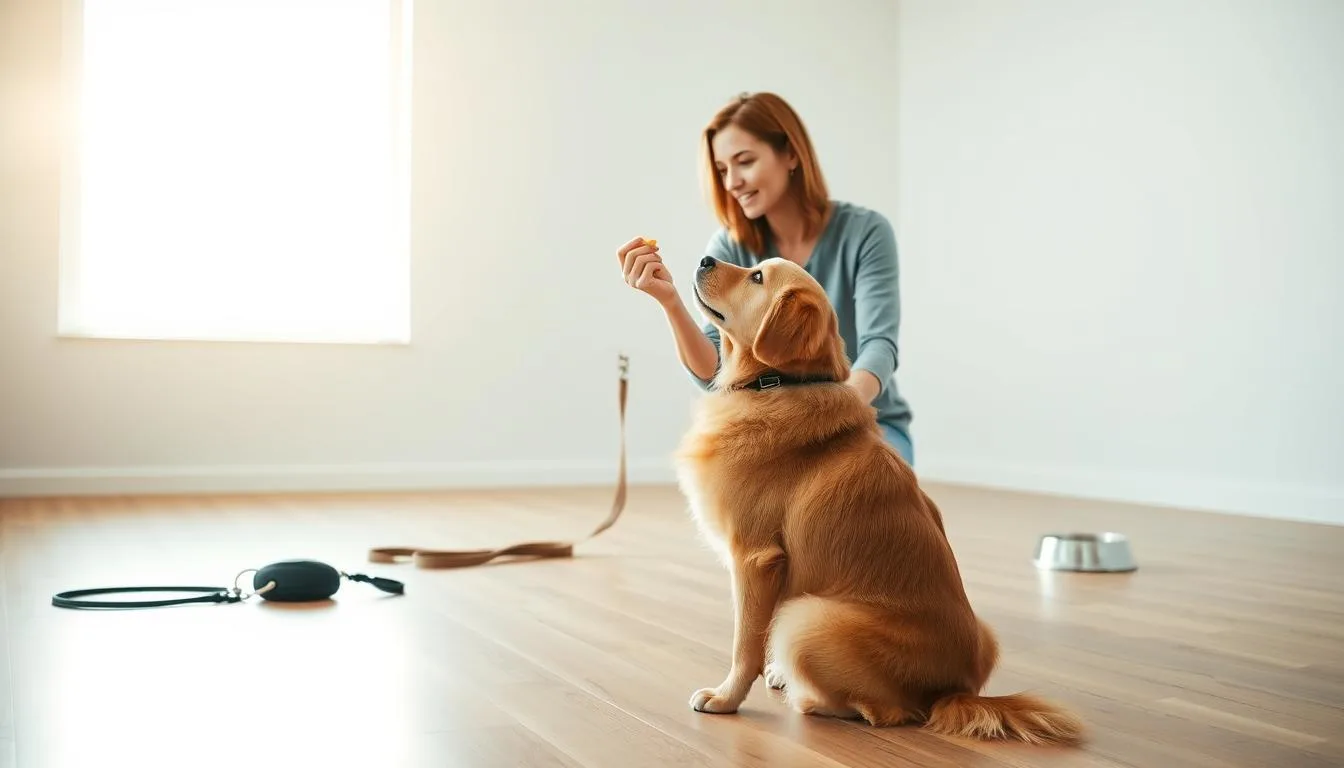
dog training routine
Setting Up Regular Training Sessions
Consistency is key when it comes to dog training. Set up regular training sessions that fit into your daily schedule. Short, frequent sessions are more effective than long, infrequent ones. Aim for at least two training sessions a day, with each session lasting around 10-15 minutes.
Incorporating Training into Daily Activities
Incorporating training into your daily activities can make the training process more enjoyable and effective. Use everyday situations like mealtime, walks, and playtime as opportunities to reinforce training commands. This approach helps your dog understand that training is a part of daily life.
By establishing a consistent training routine, you can help your dog become well-behaved and strengthen your bond with them.
Essential Commands Every Dog Should Know
Obedience training starts with teaching your dog the essential commands that every dog should know. These commands not only improve your dog's behavior but also strengthen the bond between you and your pet.
Sit, Stay, and Come
The commands "sit," "stay," and "come" are fundamental to obedience training. "Sit" helps in managing your dog's behavior in various situations. To teach "sit," hold a treat above your dog's head and move it backwards towards their tail. As they follow the treat with their nose, their bottom will lower into a sitting position.
"Stay" builds on "sit" by teaching your dog to remain in position. Start by having your dog sit, then take a few steps back. Reward them for staying in place. "Come" is crucial for ensuring your dog returns to you promptly. Use a happy, upbeat tone and reward them with treats and praise when they respond.
Leave It and Drop It
"Leave it" and "drop it" are essential for preventing unwanted behavior, such as picking up trash or stealing food. To teach "leave it," place a treat in front of your dog and encourage them to leave it alone. Reward them when they ignore the treat. For "drop it," offer a trade by offering a treat in exchange for the item they're holding.
Walking on a Leash Without Pulling
Leash training is vital for enjoyable walks. To train your dog to walk on a leash without pulling, start by having them on a harness. When they pull, stop moving forward. Once they come back to your side, continue walking. Consistency is key to successful leash training.
By teaching these essential commands, you'll be well on your way to having a well-behaved and obedient dog. Remember, patience and consistency are crucial in dog training.
Addressing Common Behavioral Issues
Behavioral issues in dogs, such as barking and chewing, are common problems that require effective solutions. Dog owners often struggle with these issues, which can impact the quality of life for both the dog and the owner.
Excessive Barking
Excessive barking can be due to various reasons, including boredom, anxiety, or alerting to something. To address this, owners can try to identify the cause and then apply appropriate strategies such as training the dog to be quiet on command or providing adequate exercise and mental stimulation.
Jumping on People
Jumping on people is a common behavioral issue that can be addressed through consistent training. Owners should ignore the behavior when it happens and reward the dog for calm behavior. Training the dog to sit on command can also help manage this issue.
Chewing and Destructive Behaviors
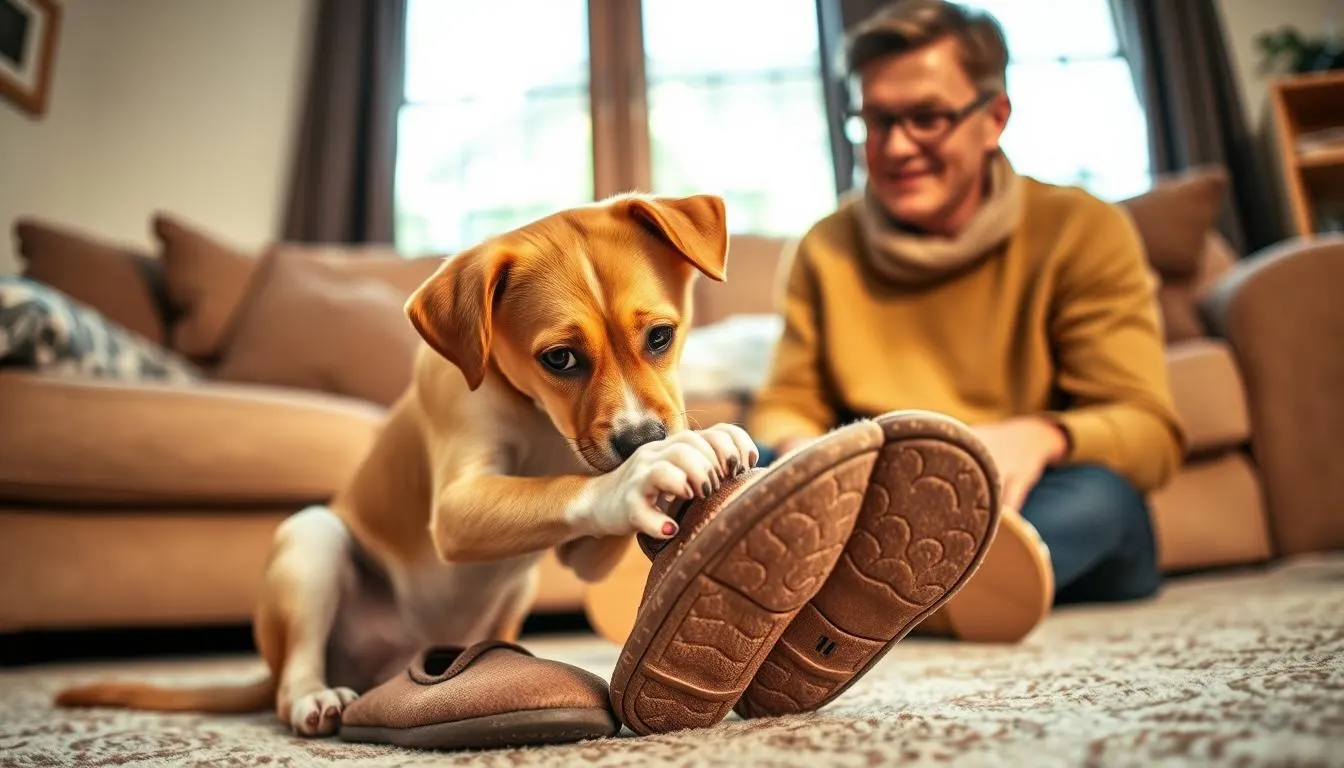
Dogs often chew due to teething, boredom, or anxiety. Providing appropriate chew toys and keeping an eye on the dog to redirect inappropriate chewing can help. Crate training can also be an effective strategy to prevent destructive behaviors when the owner is not around.
Separation Anxiety
Separation anxiety occurs when dogs become distressed when left alone. Gradual separation and desensitization techniques can help alleviate this issue. Leaving a TV or radio on can also provide comfort to the dog.
Dog Training Methods and Approaches
Dog training is not a one-size-fits-all endeavor; various approaches can lead to success. Different dogs respond to different training methods, making it crucial for dog owners to understand the available options.
There are several dog training methods, each with its unique principles and benefits. Understanding these can help dog owners choose the most effective approach for their pet.
Clicker Training
Clicker training is a method that uses a clicker to mark desired behaviors, immediately followed by a reward. This technique is based on operant conditioning and is highly effective for teaching new behaviors.
Reward-Based Training
Reward-based training focuses on rewarding desired behaviors rather than punishing undesired ones. This approach fosters a positive learning environment and strengthens the bond between dog and owner.
Relationship-Based Training
Relationship-based training emphasizes building a strong, trusting relationship between the dog and owner. This method is centered on understanding canine behavior and using positive reinforcement techniques.
House Training Your Puppy
Puppy house training requires patience, consistency, and positive reinforcement. It's a critical step in raising a well-behaved dog and creating a clean and happy home.
Establishing a Bathroom Schedule
Creating a bathroom schedule is essential for house training. Take your puppy outside to the same spot at the same time each day (e.g., after meals, naps, and playtime) to create a routine. This helps your puppy learn when it's time to go and reduces accidents.
Crate Training Basics
Crate training is a valuable tool for house training. It helps control your puppy's environment and prevents accidents when you're not supervising. Introduce the crate gradually, starting with short periods and increasing the duration. Make the crate a comfortable space with soft bedding and toys.
Handling Accidents Properly
Accidents will happen during house training. When they do, remain calm and patient. Clean up accidents thoroughly with a pet-safe cleaner to remove any lingering scents that might attract your puppy to the same spot again. Don't punish your puppy for accidents, as this can create negative associations and hinder the training process.
Socialization: A Critical Part of Dog Training
Socialization is a vital component of dog training that helps dogs become confident and calm in new situations. It's about exposing your dog to various environments, people, and other animals to foster good behavior and reduce anxiety.
Introducing Your Dog to New People
Introducing your dog to new people is a crucial aspect of socialization. It helps your dog become comfortable around strangers, reducing the likelihood of fear-based aggression. Start by introducing your dog to friends and family, then gradually move to more public areas.
Dog-to-Dog Interactions
Dog-to-dog interactions are essential for teaching your dog how to behave around other dogs. Begin with controlled environments, such as training classes, where your dog can interact with other dogs under supervision.
Exposure to Different Environments
Exposure to different environments helps your dog become adaptable and calm in new situations. Take your dog on regular outings to various places, such as parks, pet stores, and friend's homes, to broaden their experiences.
By incorporating these socialization techniques into your dog training regimen, you can help your dog become a well-adjusted and well-behaved member of your family.
When to Seek Professional Dog Training Help
While many dog owners can successfully train their pets on their own, some may need to seek professional help. Dog training can be a complex process, and certain behavioral issues or specific training needs may require the expertise of a professional dog trainer.
Signs You Need a Professional Trainer
If you're experiencing any of the following issues, it may be time to consider hiring a professional dog trainer:
- Persistent behavioral problems, such as aggression or fear-based behaviors
- Difficulty with basic obedience commands
- Separation anxiety or destructive behaviors
A professional trainer can help you identify the root cause of these issues and develop a customized training plan to address them.
Choosing the Right Trainer or Class
When selecting a professional dog trainer or training class, consider the following factors:
- Experience and qualifications: Look for trainers with certifications from reputable organizations.
- Training methods: Ensure the trainer uses positive, reward-based training methods.
- Specialization: Choose a trainer with experience in addressing your dog's specific needs.
By choosing the right trainer, you can ensure your dog receives the best possible training and support.
Conclusion
Dog training is a vital aspect of raising a well-behaved pup. By understanding the importance of dog training and implementing effective training tips, dog owners can foster a strong bond with their pets and address common behavioral issues.
A dog training summary highlights the need for consistency, positive reinforcement, and socialization. By incorporating these elements, dog owners can help their pets become confident and well-adjusted companions.
To achieve successful dog training, owners should focus on establishing a routine, using the right equipment, and being patient with their pets. By following these training tips and being committed to the training process, dog owners can overcome common challenges and enjoy a rewarding relationship with their dogs.
Understanding dog behavior is crucial to effective dog training. By recognizing the signs of anxiety, fear, or excitement, owners can tailor their training approach to meet their dog's individual needs full fill by dog training collars.
FAQ
What is the best age to start training a dog?
The ideal age to start training a dog is as early as 8 weeks old, when they are most receptive to new experiences and learning. However, it's never too late to start training, and older dogs can also benefit from training.
How long should a dog training session last?
Dog training sessions should be kept short and fun, typically lasting between 10-15 minutes, to avoid overwhelming the dog and maintain their focus.
What are the most effective dog training methods?
Positive reinforcement training methods, such as clicker training and reward-based training, are highly effective in achieving desired behaviors and strengthening the bond between dog and owner.
How can I house train my puppy?
Establishing a bathroom schedule, crate training, and handling accidents properly are essential steps in house training a puppy. Consistency and patience are key to successful house training.
Why is socialization important for dogs?
Socialization is critical for dogs to become confident and calm in new situations, helping them interact with people, other dogs, and different environments without anxiety or fear.
What are some common behavioral issues in dogs, and how can I address them?
Common behavioral issues in dogs include excessive barking, jumping on people, chewing, and separation anxiety. Addressing these issues requires patience, consistency, and the right training techniques, such as positive reinforcement and desensitization.
How can I choose the right dog trainer or training class?
When choosing a dog trainer or training class, consider their experience, qualifications, and training methods. Look for trainers who use positive reinforcement techniques and have experience with dogs similar to yours.
What are some essential commands that every dog should know?
Essential commands that every dog should know include "sit," "stay," "come," "leave it," and "drop it." These commands help establish a strong bond between dog and owner and ensure the dog's safety.


Thanks for this detailed article — especially the part about reducing separation anxiety through consistent care and social interaction. That’s such an important topic for busy pet owners.
ReplyDeleteChoosing the right dog daycare Adelaide provider can make a world of difference in a dog’s confidence and behaviour. A safe, engaging environment helps them thrive both socially and emotionally.
Looking forward to more posts like this!